A tale of two dividends
Two drafts of the AI dividend now exist, written by camps spending tens of millions to defeat each other
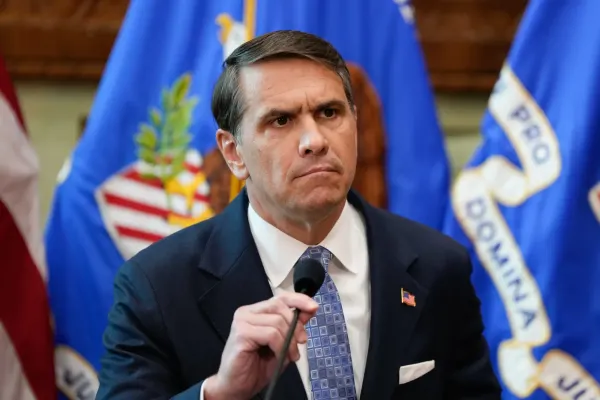
THE AI DIVIDEND, a public-redistribution scheme paid for by AI firms and triggered by labor displacement, has acquired two distinct drafts in the past five weeks. The first arrived on April 6th in a policy document published by OpenAI, which proposed a national wealth fund seeded by AI companies and structured to capture growth across the AI economy. The second arrived this week from Alex Bores, a Manhattan assemblyman running for Congress, whose campaign rolled out a near-identical mechanism in tighter, more punitive form. The two camps are not allies; their respective super PACs are spending more than $145m, combined, to defeat each other in the 2026 midterm cycle.
That a single fiscal architecture now anchors proposals from both the AI-maximalist Silicon Valley right and the AI-skeptic Democratic left is the news. The shared framework is unusually specific: a wealth fund seeded by AI firms, equity participation in frontier developers, taxes pegged to automated labor or AI consumption, payouts triggered by measurable displacement, and a tax base shifted from payroll toward capital. Each element appears in both drafts. So does the historical analogy: both reach for the New Deal and the Progressive Era. So does the framing language. Both call the dividend fire insurance against the labor catastrophe the AI industry has spent two years describing in apocalyptic terms.
This article is for Vector members. Start a 7-day free trial to keep reading.
Start your free trial