America's chip war left the wrong layer undefended
Washington spent five years restricting the chips that train AI models — and left the chips that run them to Huawei
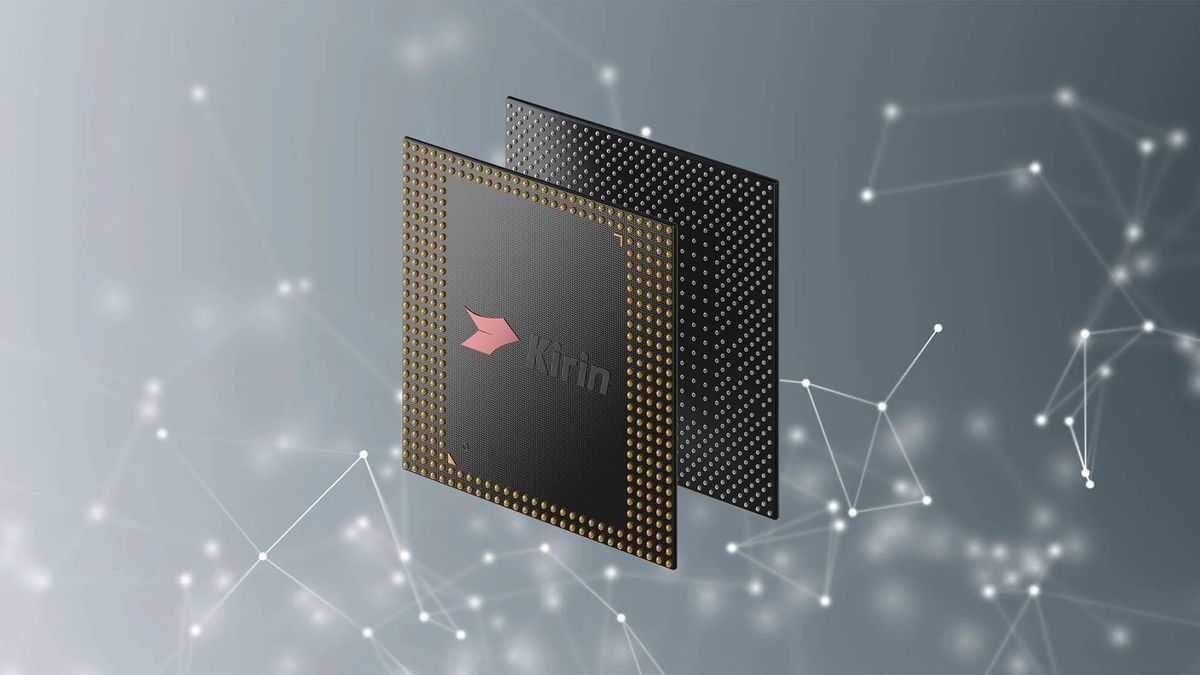
On April 15th, sitting with the podcaster Dwarkesh Patel, Jensen Huang, Nvidia's chief executive, named the scenario American AI policy had spent five years trying to prevent. "The day that DeepSeek comes out on Huawei first," he said, "that is a horrible outcome for our nation." Nine days later, DeepSeek's V4 model did exactly that, launching on April 24th optimized for Huawei's latest Ascend processor and reaching the top of Hugging Face, the open-source AI registry, within hours of its release.
That arrival has been five years in the making, and its design is the story. American export controls were built to slow the part of AI where models are made — training, the compute-heavy phase that produces them — while Beijing's industrial policy was built to capture the part where models are actually used, meaning inference, the phase where every query, every chat reply, and every agent task is answered. The Trump administration loosened the training restrictions in January, allowing Nvidia's H200 — its second-most-advanced AI chip — to ship to approved Chinese buyers under a revised licensing rule. By the time that rule took effect on January 16th, however, Beijing had already moved against it: the Cyberspace Administration of China, its internet regulator, had told ByteDance and Alibaba the previous September to halt tests of a China-specific Nvidia server chip, a directive that widened through the spring to cover Nvidia hardware altogether. According to a Financial Times report on April 30th, no H200 shipments have yet been made.
This article is for Vector members. Start a 7-day free trial to keep reading.
Start your free trial