
Is Apple giving up on privacy?
The body wins, and the brand pays
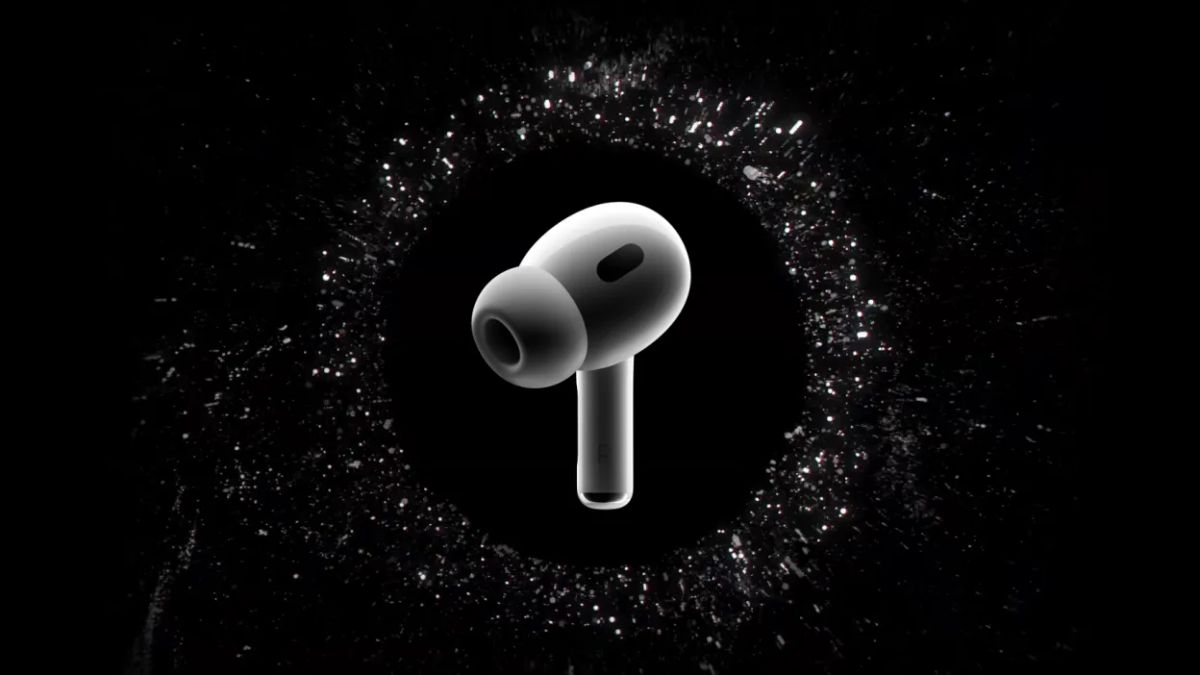
Somewhere inside the AirPods that Apple has nearly readied for release is a small LED, designed to glow when the new cameras embedded in the earbuds are streaming visual data to the cloud. Apple has not said how visible the light will be — the device is, by definition, in someone's ears — and the answer is probably: not very. The LED is hardware, but it is also a concession, the smallest the company could make to a marketing position it has spent a decade asserting. Since the Snowden era, Apple has told customers it does not see their data. The new AirPods are designed to see what is in front of you and send the picture upstream.
Bloomberg's Mark Gurman reported this week that the camera-equipped AirPods have entered design validation testing, the last stage before mass production. The earbuds carry low-resolution cameras that act as eyes for Siri; users will be able to ask the assistant about objects in their field of view and get answers. The hardware is nearly done. The launch was held back only because the brain — Siri itself — was not ready, and is now scheduled for September after Apple upgraded the assistant's underlying models using Google's Gemini technology. Apple's most personal AI hardware will rely, in meaningful part, on a competitor's frontier model.
This article is for Vector members. Start a 7-day free trial to keep reading.
Start your free trial