Running the companies they barely own
Why the leaders of OpenAI and Anthropic own little to none of their companies
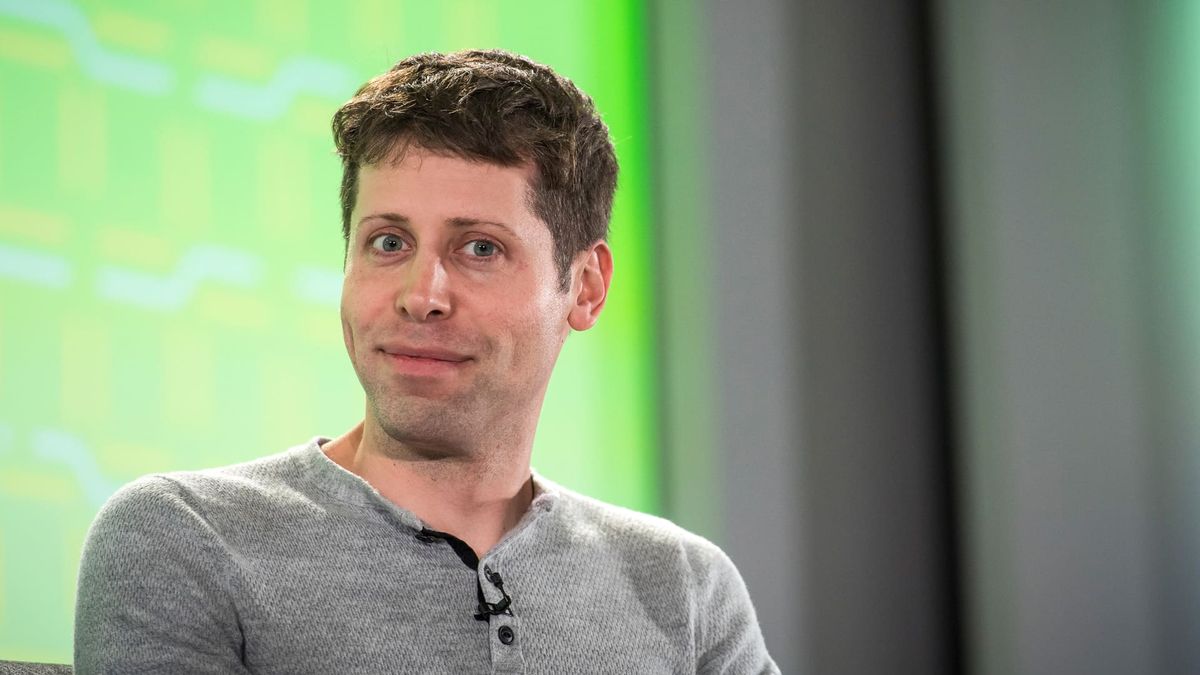
DARIO AMODEI owns roughly 1.6% of the company he runs. Anthropic, the maker of the Claude chatbot that Mr Amodei co-founded in 2021, was valued at $965bn in its most recent funding round, which puts his stake on paper at around $15bn — a fortune by any ordinary measure, and a rounding error by the standard of founder-led technology firms. On August 18th The Information, a technology publication, reported that Anthropic has been preparing to hand Mr Amodei and his co-founders a class of shares carrying extra votes, the better to insulate them from public-market pressure once the company lists. The report cast the move as a grab for control. The more telling fact is that he needs it at all.

Consider the men who built the previous era's giants. When Microsoft went public in 1986, Bill Gates, its co-founder, held about 45% of it. When Amazon listed in 1997, Jeff Bezos owned some 43%. Even Mark Zuckerberg, whose dual-class structure turned "founder control" into a Silicon Valley catchphrase, carried 28% of Facebook's economics into its 2012 offering. For that cohort ownership and control were the same instrument: you ran the company because you owned most of it, and you kept running it because no one held enough shares to outvote you. The founder was the owner, and the owner was the boss.
The frontier laboratories have pulled the two apart.
This article is for Vector members. Start a 7-day free trial to keep reading.
Start your free trial