
The fastest unicorn has a half-life
The market is pricing velocity, not durability
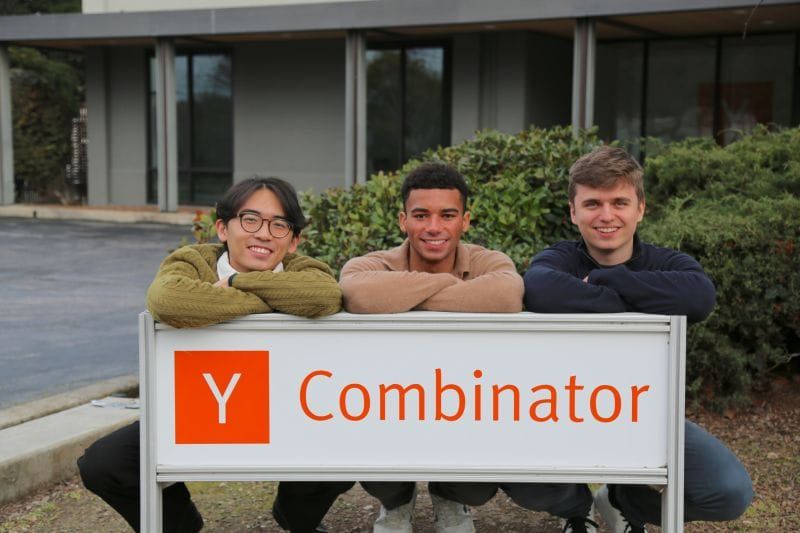
The pitch AfterQuery makes to an AI lab is narrow and expensive. Hire a cardiologist, a securities lawyer, a derivatives trader, pay them well, and have them write down not the answer to a problem but the reasoning that produces it — the chain of judgment a model cannot scrape from the open web because no one ever wrote it down. That output, expert reasoning rendered as training data and as reinforcement-learning environments in which a model can practice a professional's work, is what the San Francisco startup sells to Nvidia, to the Korean lab Motif Technologies, and to Thinking Machines Lab, the outfit founded by Mira Murati, OpenAI's former chief technology officer.
On September 1st Forbes reported, and TechCrunch followed, that a new round had valued the company at $3.2 billion; AfterQuery declined to comment. The figure is arresting mostly for its velocity. The company raised a $30m Series A at a $300m valuation in April, which makes the September mark a better-than-tenfold step-up in roughly five months and, by the reckoning of Gustaf Alströmer, a Y Combinator partner, the fastest any startup has gone from launch to unicorn in the accelerator's history. Spencer Mateega and Carlos Georgescu, its chief executive and chief technology officer, are 23 and 22. Eighteen months ago the pair were in Y Combinator building an AI agent for finance; they pivoted after running into the fact that professional workflows do not automate cleanly, and that the judgment the model lacked could not be synthesized, only bought. Having failed to route around the scarce input, they began selling it.
This article is for Vector members. Start a 7-day free trial to keep reading.
Start your free trial