
The robots are learning from us
To train robots that replace physical labor, Figure is now paying a distributed workforce to perform it
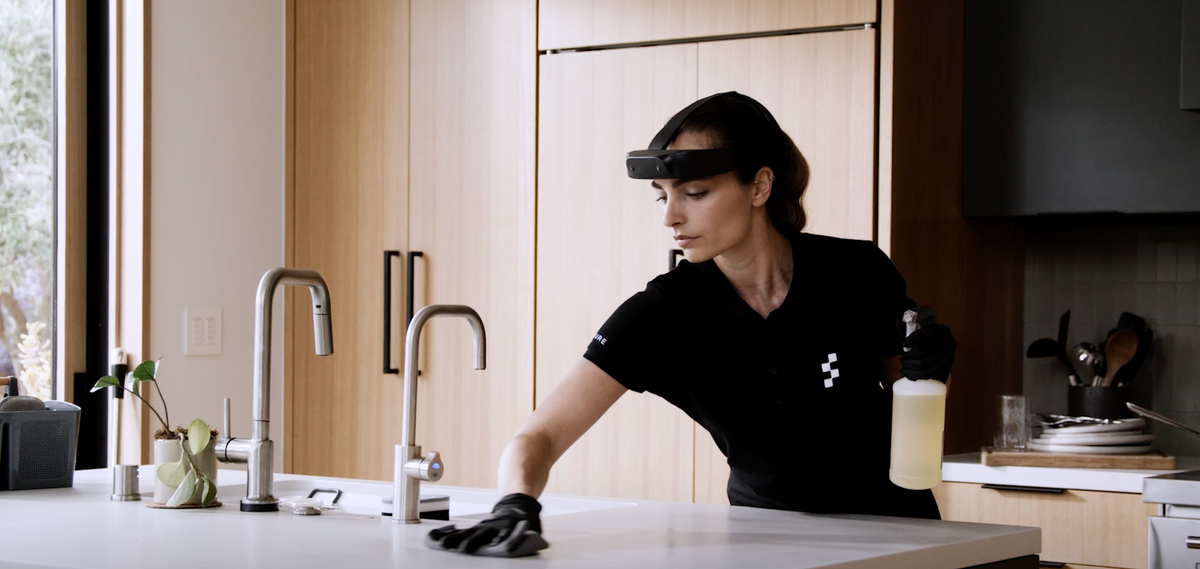
Right now, in one of 108 countries, someone is folding laundry in front of a phone camera and being paid a few dollars for it. That person is a Creator, in the coinage of Figure, a Sunnyvale maker of humanoid robots that came out of stealth on Tuesday to reveal the app collecting the footage — called Index — and the improbable business beneath it: a company valued at $39 billion that is, for the moment, one of the larger paymasters of people willing to do chores on camera. Figure's premise is that machines will shortly do physical work. Its first public act with Index was to advertise the cost of paying humans to do it first.
Figure has paid the people supplying that footage $15 million so far, and on Tuesday committed to spending more than $1 billion over the next twelve months on data and compute, a sum it frames, in its own words, as "a path to 100x." The app behind the number is live now on both major stores, has crossed 264,000 downloads, and draws 44,000 weekly contributors. They have uploaded 16 million videos; the pipeline ingests thirty minutes of footage every second, which the company reckons amounts to 4.9 years of human activity captured every day. Anyone can film themselves making a bed or stocking shelves and be paid for it. Anyone who would rather not can instead book a Creator to come to their home and do the chores on camera, and Figure will dispatch one to a business as well. The training data is generated by a distributed workforce performing, for money, precisely the tasks the robots are built to inherit.
This article is for Vector members. Start a 7-day free trial to keep reading.
Start your free trial