AI's big winners draft their own rules
Tech luminaries spent the week proposing the taxes and rules to govern AI, before voters write worse ones

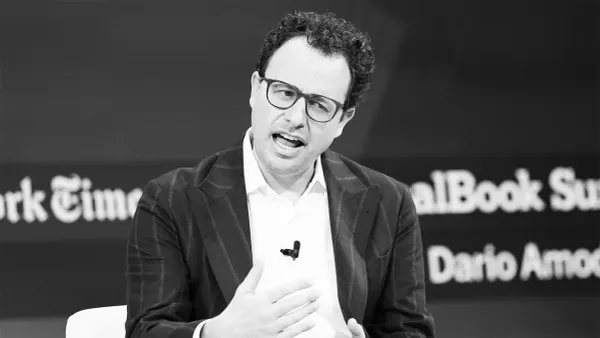
The people with the most to gain from artificial intelligence have become the loudest voices calling for someone to rein it in. Why? Start with the week just past. On Tuesday, June 9th, Anthropic released Claude Fable 5, the most powerful AI model it has yet put in front of the public. The next day Dario Amodei, the company's chief executive, published a long essay arguing that models like it should not reach anyone until a government-authorized third party has tested them for catastrophic risk and a regulator has been handed the power to block their release. The company shipped the product on Tuesday; it asked Washington to build the gate on Wednesday.
Mr Amodei is not alone, and that is the story. In March Vinod Khosla, the founder of Khosla Ventures and an early backer of OpenAI, proposed scrapping the preferential rate on capital gains and taxing investment income as ordinary income, with the proceeds funding the elimination of federal income tax for Americans earning under $100,000. In April OpenAI released a thirteen-page paper, "Industrial Policy for the Intelligence Age," that likened the moment to the Progressive Era and called for the tax base to shift from payroll toward capital. This week Mr Khosla returned in the Financial Times with the fuller version: capital gains taxed as income after 2028, a levy on AI compute and robotic labor after 2030, and a sovereign wealth fund that would hold equity in the AI companies on every American's behalf. Each proposal asks the state to do something to the people making it.
This article is for Vector members. Start a 7-day free trial to keep reading.
Start your free trial