Germany rearms, and pushes out U.S. VC firms
As American money floods European defense tech, Berlin is building a vehicle to keep it from owning the winners
BURIED IN the more than 150 measures Germany's government unveiled on Wednesday to revive its stalling economy was a line that read less like startup policy than like a threat assessment. The largest financing rounds for the country's most promising companies, the bill observed, are typically led by foreign investors, a pattern it cast as a danger to "technological sovereignty" and to the long-term preservation of value and jobs at home. Its remedy is a new state vehicle, run through KfW, Germany's development bank, empowered to take direct equity stakes in defense start-ups. The foreign investor Berlin has in mind is not difficult to name.
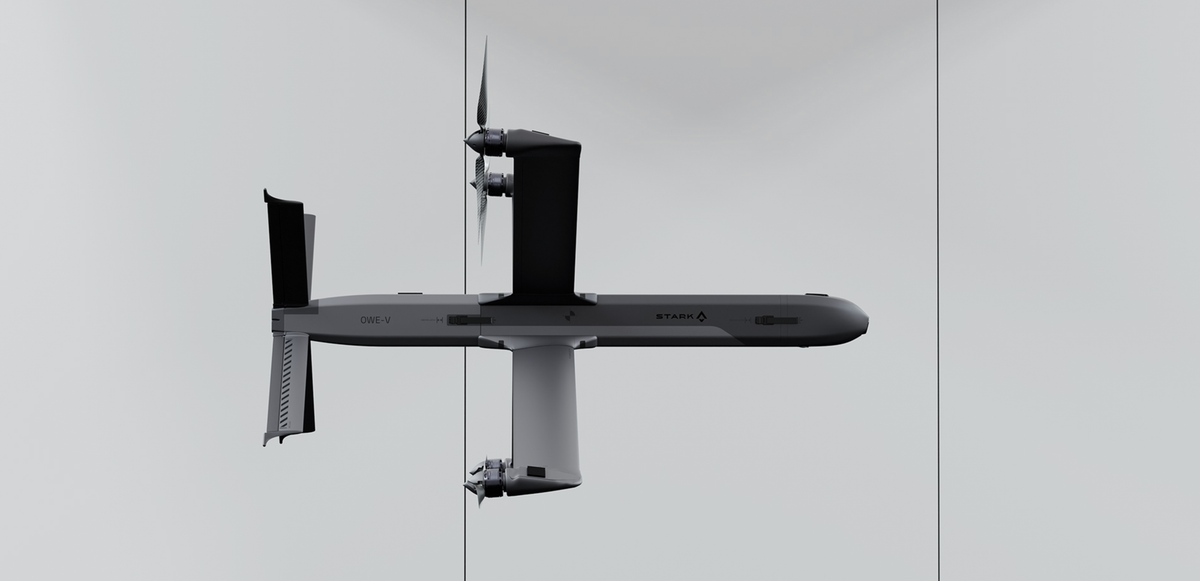
In June, Peter Thiel's Founders Fund, the firm behind Palantir and Anduril, co-led a €500m round in Stark Defence, a two-year-old Berlin maker of loitering munitions, alongside Sequoia; the deal valued the company at roughly €3.5bn. Thiel's German book runs deeper than Stark: he has backed Quantum Systems, a Munich drone maker now valued at about $8bn, and Founders Fund led a December secondary in the online broker Trade Republic. American money now helps lead the rounds financing the companies Germany means to arm itself with.
The rush is real, and on its face rational. European defense and security start-ups, a category that scarcely existed as a venture thesis three years ago, drew a record $5.2bn in 2024 by the NATO Innovation Fund's tally, and the pace has only quickened since. Germany alone plans to spend more than €700bn on defense by 2030, the surest multi-year demand signal in venture capital, and the American funds that once shunned weapons have decided the continent's rearmament is worth the reputational discomfort. The flag-planting has been conspicuous.
Friendly fire
What most of the coverage has missed is that the government issuing the demand signal would rather own the upside than rent it. The KfW vehicle, the procurement preferences for domestic start-ups, the promised speed on export licenses, the fresh scrutiny of sensitive-technology outflows — taken together, they describe a state preparing to compete with its own foreign backers for ownership of the defense industrial base it is about to fund. The sovereignty clause is a capital control in soft focus, aimed with some precision at the money that has just arrived.
Berlin has telegraphed the anxiety for months. In February, days before a Bundestag committee weighed a combat-drone package worth up to €2.9bn, Boris Pistorius, the defense minister, moved to clarify what influence Thiel actually held over Stark, whose kamikaze drones the Bundeswehr had just ordered; a Green defense spokesman told the Financial Times he did not want to depend on "shareholders that want to end our European democracies," and urged the company to find another investor. Pistorius has since gone further, pressing for direct state participation in the defense industry to keep expertise and jobs inside Germany.
This article is for Vector members. Start a 7-day free trial to keep reading.
Start your free trial