America is winning the AI frontier and losing the AI floor
Chinese models form the backbone of 80% of US startups; export controls weren't built for this
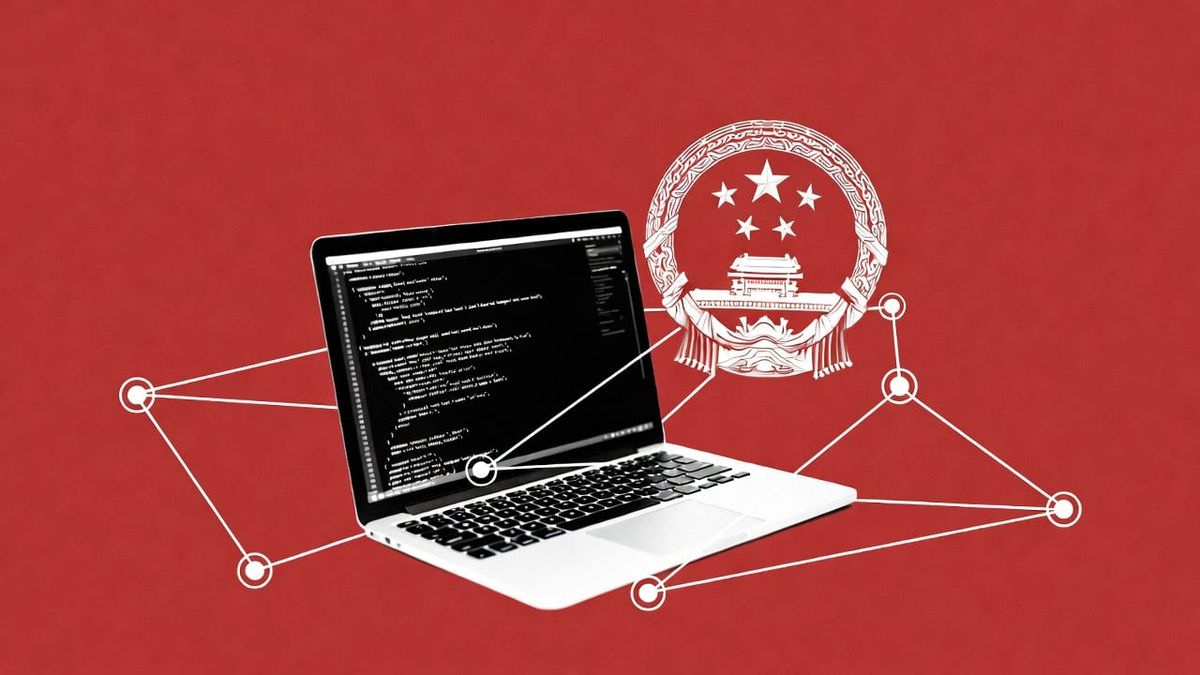
THE UNITED STATES-CHINA Economic and Security Review Commission does not typically traffic in alarmism. So when the congressional advisory body released a report this week warning that Chinese open-source AI models now run inside roughly four out of five American startups building on open-source stacks, the figure landed with the dull thud of a problem that had been visible for months but politely ignored. The estimate originates from Andreessen Horowitz general partner Martin Casado, who observed that among startups pitching his firm with open-source architectures, there is about an 80% chance they are running on Chinese models — Alibaba's Qwen family, DeepSeek, or MiniMax. The number is a venture capitalist's field observation, not a rigorous census, but it reflects a structural reality that Washington's AI strategy has not yet reckoned with: America dominates the penthouse of artificial intelligence while China is quietly occupying every other floor.
The economics are not subtle. On OpenRouter, the aggregation platform widely used as a proxy for developer demand, Chinese models have overtaken American rivals in total token consumption since February. MiniMax and Moonshot charge $2 to $3 per million output tokens; Anthropic's Claude Sonnet 4.5 runs about $15 for the same volume — a near sixfold gap. MiniMax's M2.5 model alone saw usage surge 476% in a single month. For the agentic workloads that now define the industry's frontier — AI coding assistants, autonomous task-runners, multi-step research agents — the cost differential is existential, not incremental. A chatbot summarizing a document might consume 30,000 tokens; an AI agent can burn through 20 million on a minor coding task. One Hong Kong-based developer told the Financial Times he now spends $50 a day using Moonshot's Kimi for 80% of his work, reserving Claude for complex tasks. Running Claude alone would cost him $900 daily. Startups, which optimize for survival before sovereignty, will make the same calculation every time.
This article is for Vector members. Start a 7-day free trial to keep reading.
Start your free trial