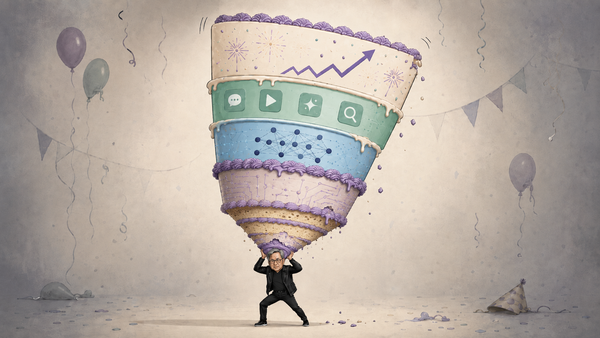
Apple wants your iPhone back
Leasing an iPhone costs a little more than buying one over time, and almost nobody will do the math
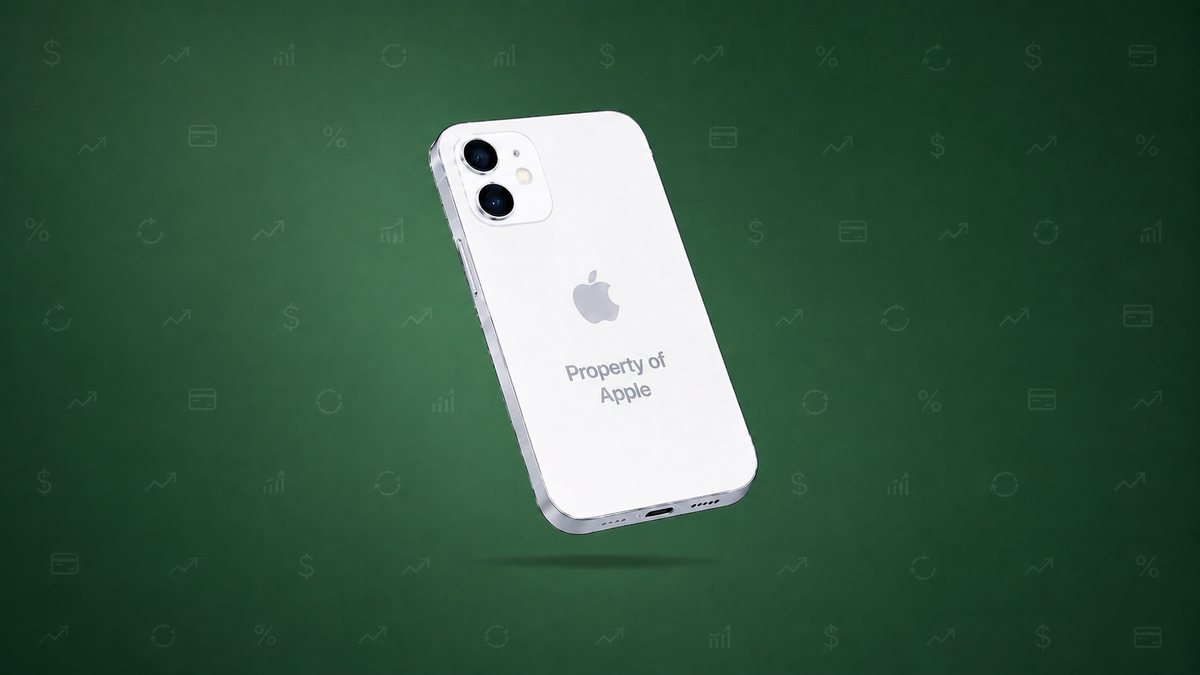
In September 2015, Apple began letting customers pay for an iPhone the way they pay for a gym membership: a fixed sum each month, a new handset every year, no lump sum up front. The arrangement, called the iPhone Upgrade Program, was beneath its convenience an ordinary installment loan, and twenty-four payments in the phone was yours. On July 28th Apple retired that program and replaced it with one that changes a single word: Apple Upgrade, financed by Klarna, a Swedish payments firm, is a lease. At the end of the term the customer upgrades, buys out the balance, or hands the phone back, and most, if the car industry is any guide, will hand it back.
The change arrived wrapped in the language of affordability, and at that level it is unremarkable. Memory-chip prices have surged through a shortage the industry has taken to calling "RAMageddon," and Apple has already lifted the price of the Mac and the iPad by hundreds of dollars while sparing the iPhone. A foldable iPhone expected in September is likely to start above $2,000. Against a bill like that, a lease beginning at $17.99 a month looks less like a splurge than a utility payment, and Apple has taken to advertising the two numbers side by side, the full price and the monthly one, leaving little doubt which it would prefer customers to read.
Rent to never own
Framing a $2,000 device as a dollar a day is a merchandising trick as old as the auto showroom. Apple Upgrade asks customers to give something up in exchange, because where the old program ended in ownership, the new one ends in return. A customer who leases in perpetuity, twelve or twenty-four months at a time and upgrading each cycle, never owns the phone, never captures its resale value, and never stops paying. Apple hardware holds its resale price better than almost any consumer electronics on earth, and that residual is exactly what the lease redirects, from the customer's pocket to Apple's.
Leasing a single phone is a modest proposition; the ambition beneath it is not. Apple closed its June quarter with more than 2.5 billion active devices in circulation and over a billion paid subscriptions, a base it has spent fifteen years teaching to expect a monthly relationship rather than a one-time purchase. The scaffolding for a single combined bill already exists: Apple One folds music, television, storage and games into one charge, and AppleCare One does the same for device protection. Attach the hardware lease to those, and the logical endpoint is one monthly invoice covering an iPhone, an iPad, a Mac, a Watch and every service Apple sells — a subscription to Apple itself.
Wall Street has paid Apple a richer multiple for years on the strength of Services, its recurring, high-margin revenue that does not depend on whether this year's phone is much better than last year's. Converting hardware buyers into hardware lessees extends that logic to the physical products themselves. A one-time sale becomes a recurring line. Revenue that used to arrive in lumps, tied to the quality of each new device, begins to arrive smoothly, tied instead to inertia, the most dependable force in consumer behavior.
The timing is not accidental. Apple's products improve less from one year to the next than they once did, a maturity the company manages by shipping annual updates with few visible changes and letting the marketing carry the rest. That works only as long as customers feel a reason to upgrade, and a subscription removes the need for the reason. When the new phone arrives automatically and the bill never moves, the upgrade stops being a decision the customer makes each September and becomes a default they simply keep.
Apple tried to build this itself: between 2022 and 2024 an in-house team designed a subscription service and a suite of lending products before the company shut the effort down amid regulatory scrutiny of its financial ambitions, the same worry that killed Apple Pay Later after a single year. The lesson it drew is legible in the new program's structure. Klarna carries the loans, the credit risk and the regulators, while Apple keeps the customer, the storefront and the recurring relationship. It is the design of a company that wants the revenue of a lender without the trouble of becoming one.
For most of its history Apple sold ownership as part of the product: the pleasure of holding a finished, expensive object that was plainly yours. Leasing asks customers to trade that for something the car industry normalized decades ago, the comfort of never quite finishing, never quite owning, and never having to think about it again. On his final earnings call as chief executive, days before John Ternus, Apple's incoming boss, succeeds him in September, Tim Cook called the early feedback "quite positive." Apple is betting, as the carmakers did, that almost nobody will mind, and on the early evidence almost nobody does.