Emerald sells capacity the grid already owns
The chipmakers, utilities and spies who funded its $150m round could each build the thing themselves
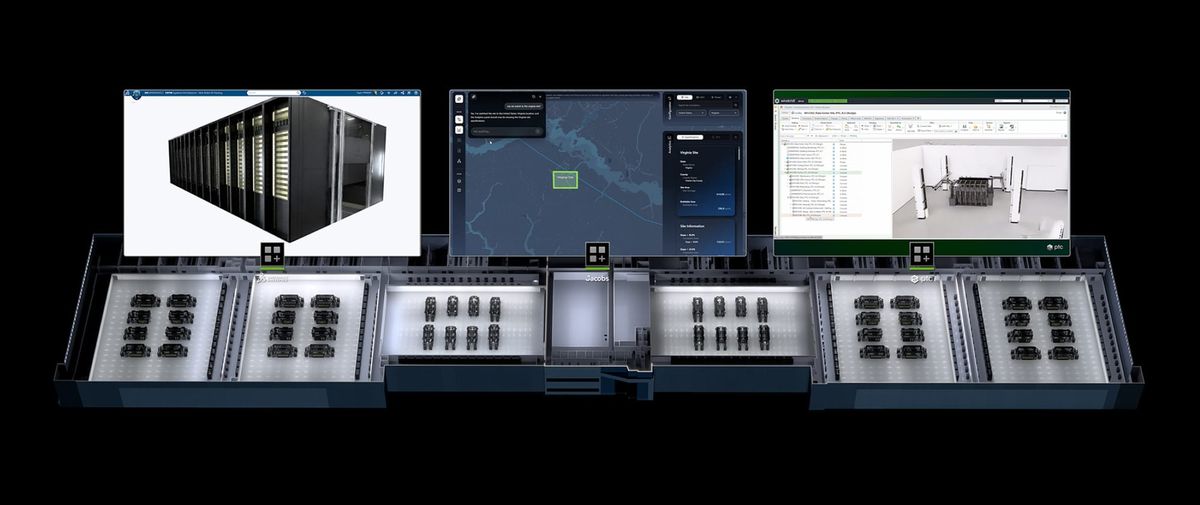
The $150m Emerald AI raised this week values the two-year-old company at $1.05bn, which is a lot to pay for software that makes data centers dial their power down on demand. The round, announced on August 25th and co-led by Energize Capital and DCVC, a deep-tech venture firm, is easier to read through its guest list than its headline. Nvidia was on it, unremarkable for anything touching AI. The rest is stranger company: Samsung, Siemens, GE Vernova and RWE, a German utility; Aramco Ventures, the investment arm of the world's largest oil producer; JERA Ventures, backed by Japan's biggest power generator; and In-Q-Tel, the fund American intelligence agencies use to sit close to technology they want to watch. Twelve of the backers are Fortune Global 500 companies. A chipmaker, a fleet of utilities, an oil major and the spy agencies had all decided to underwrite the same bet in a single round.
The bet is that AI's power problem gets solved without building much power. Emerald sells software, Emerald Conductor, that throttles a data center's electricity draw when the grid is under strain and restores it when the strain passes, in principle without interrupting the computing that matters. Its pitch to an operator is a trade: agree to be flexible, and the local utility can grant a larger, faster grid connection than a rigid always-on load could ever get. Varun Sivaram, Emerald's founder and chief executive and a former climate-policy official in the Biden administration, has put the logic plainly: the binding constraint on AI is no longer chips or capital but power, and the quickest way to get more of it is to stop demanding all of it at once. Building generation and transmission takes the better part of a decade. Rewriting how a data center behaves takes a software deployment.
What that trade moves is worth sitting with. Flexibility does not manufacture a single additional electron. The capacity Emerald unlocks already exists on the grid; it is the slack that goes unused because peak demand arrives only a few hours a year. Selling access to that slack means selling someone's agreement to go dark when the peak comes. The electrons were always there. The question the round quietly prices is who controls the switch that decides when a data center does without them.
This article is for Vector members. Start a 7-day free trial to keep reading.
Start your free trial