Microsoft and Nvidia want AI to break nuclear power's paperwork problem
A new collaboration aims to slash permitting and design timelines for nuclear plants — but the hardest bottlenecks may not be made of paper
THE NUCLEAR INDUSTRY has a reputation for two things: generating enormous quantities of carbon-free electricity and generating even more enormous quantities of paperwork. On Tuesday at CERAWeek in Houston, Microsoft Vice Chair Brad Smith announced an "AI for nuclear" collaboration with Nvidia, aimed squarely at the second problem. The initiative will deploy generative AI, digital twins, and high-fidelity simulation tools across the full lifecycle of nuclear plant development — from permitting through operations — in an effort to compress timelines that have, for decades, stretched well beyond a decade.
Big Tech has contracted for at least 13 gigawatts of nuclear energy, a figure that has roughly doubled in the past year as Amazon, Google, Meta, and Microsoft scramble to secure around-the-clock, carbon-free power for their data centers. Microsoft alone has committed to a 20-year, $16 billion deal to restart a reactor at Three Mile Island, targeting 835 megawatts by 2028. Meta recently inked contracts covering up to 6.6 gigawatts. The appetite is real — but so is the bottleneck. The NRC licensing process alone can take more than a decade to complete, and construction adds years more. Traditional nuclear projects have been notorious for cost overruns measured in the billions.
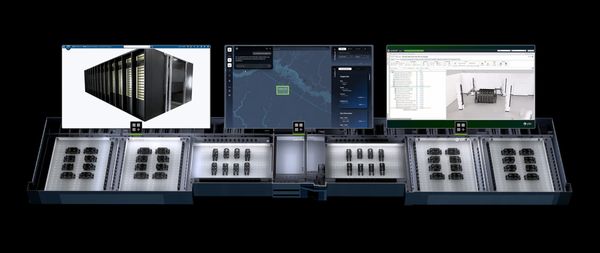
The Microsoft-Nvidia collaboration attacks the problem from the documentation side. AI tools will identify inconsistencies across tens of thousands of pages of engineering and safety reports, unify project data into auditable digital records, and run 4D and 5D simulations — incorporating time scheduling and cost tracking — so that developers can, as Microsoft's blog post put it, "virtually construct the plant before shovels hit the dirt." The early proof point: Aalo Atomics, an Austin-based startup building modular microreactors for data centers, claims to have reduced its permitting process by 92% using Microsoft's generative AI tools, saving an estimated $80 million annually.
This article is for Vector members. Start a 7-day free trial to keep reading.
Start your free trial