
The data centers will be built somewhere
Maine's ban is mostly symbolic
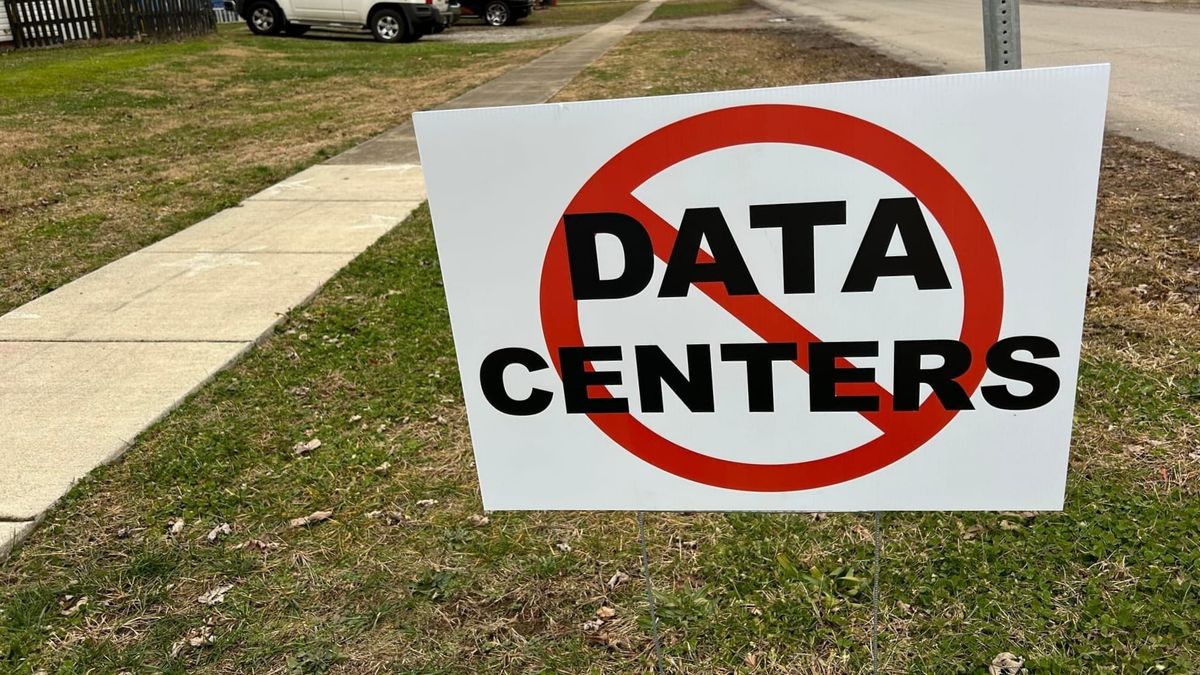
MAINE has none of the large data centers it just banned. It will, on present trends, never have many. The state sits at the periphery of New England's grid, its proposals are sparse, and the most prominent on the table — a 150-megawatt facility from New York-based Sentinel Data Centers at the shuttered Androscoggin paper mill in Jay — has now been effectively killed. On April 14th the Maine Senate voted 21-13 to enact LD 307, a moratorium on data centers above 20 megawatts that runs until November 2027; the House had passed it 79-62 a week earlier. Governor Janet Mills, who has expressed misgivings but is fighting a Democratic Senate primary against an oyster farmer polling ahead of her, must now decide whether to sign.
The substantive impact of LD 307 is approximately zero. The political impact is the entire point. Maine is the first state in the country to enact a hyperscale moratorium, and similar proposals are sitting in committee in at least eleven others — Vermont, New Hampshire, New York, Pennsylvania, Maryland, Wisconsin, Minnesota, Oklahoma, South Dakota, Georgia and Virginia among them. State legislatures filed roughly 21 bills addressing data-center policy in 2024, by Carbon Direct's count; that number rose to 267 in 2025, and to over 300 in the first six weeks of 2026 alone, per MultiState. At the federal level, Bernie Sanders and Alexandria Ocasio-Cortez introduced the Artificial Intelligence Data Center Moratorium Act in March. Locally, more than 140 community groups have already blocked or delayed some $60 billion in proposed projects over the past year, by Data Center Watch's tally.
Permission denied

But the politics are racing a different politics — that of routing. The thesis underwriting the AI infrastructure trade has been that power is the binding constraint, and that the constraint resolves through more capacity. What it is in the process of resolving through, instead, is geography. Every state that adopts a Maine-style moratorium narrows the addressable map for the next 1-gigawatt campus, which raises the marginal value of jurisdictions that don't. Wyoming, where Microsoft on April 14th announced a 3,200-acre campus expansion in Cheyenne, has a tariff regime — the Large Power Contract Service — that requires a hyperscaler to pay for 100% of the grid infrastructure it triggers, with nothing socialized onto retail ratepayers. That is precisely the political pressure point Maine and its imitators are trying to address. Wyoming has already addressed it, by contract.
This article is for Vector members. Start a 7-day free trial to keep reading.
Start your free trial