The 'everything app' needs an everything government
Russia, China, and Elon Musk are all chasing the same dream. Only the authoritarians are winning
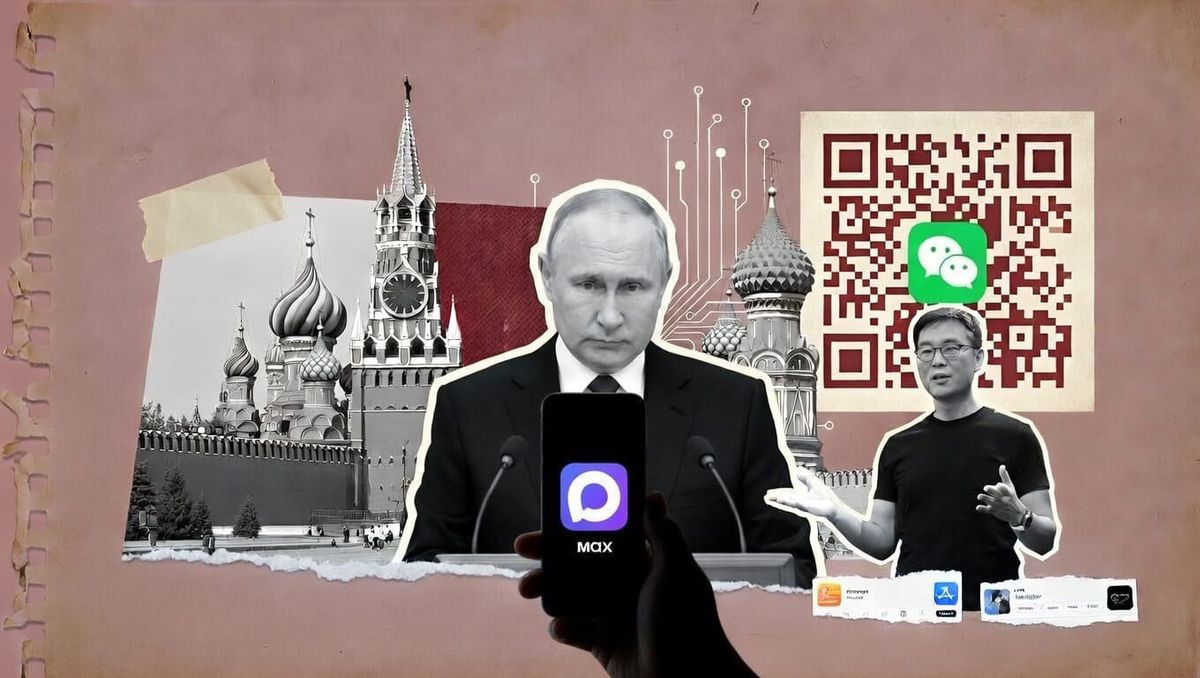
THE SUPER-APP has become the white whale of the platform economy. In China, Tencent's WeChat captured 1.4 billion monthly active users by becoming the digital layer through which an entire nation pays bills, hails cabs, books doctors, and messages friends. In America, Elon Musk spent $44 billion acquiring Twitter in 2022 partly to chase the same dream, rebranding it X and vowing to build a Western equivalent. Now Russia is making its own bid: Max, a messaging and e-commerce platform built by tech giant VK, launched in March 2025 with full Kremlin backing and a mandate to replace every Western app on Russian phones.
Three countries, three super-apps, three radically different theories of how to build one. The comparison is instructive — and deeply uncomfortable for anyone rooting for the voluntary version. WeChat emerged from a corporate-state partnership in a market where digital payments leapfrogged credit cards; it now processes trillions of dollars in annual transaction volume and hosts 945 million mini-program users. Musk's X, by contrast, has spent nearly four years retrofitting a microblogging platform into a financial services hub, securing money-transmitter licenses in over 40 states and announcing a Visa-backed debit card and peer-to-peer payment system dubbed X Money. The beta launched in early 2026 offering 6% APY on deposits — but X's user base has been shrinking, not growing, falling to roughly 560 million monthly active users from 586 million the year before.
Max sits at a distant third with 100 million registered users, a figure VK claims but that no one can verify. The gap in scale is enormous. The gap in method is more revealing.
This article is for Vector members. Start a 7-day free trial to keep reading.
Start your free trial