Trump is regulating AI by presidential veto
The executive order disclaims any licensing power, yet the government is now approving OpenAI's customers one at a time
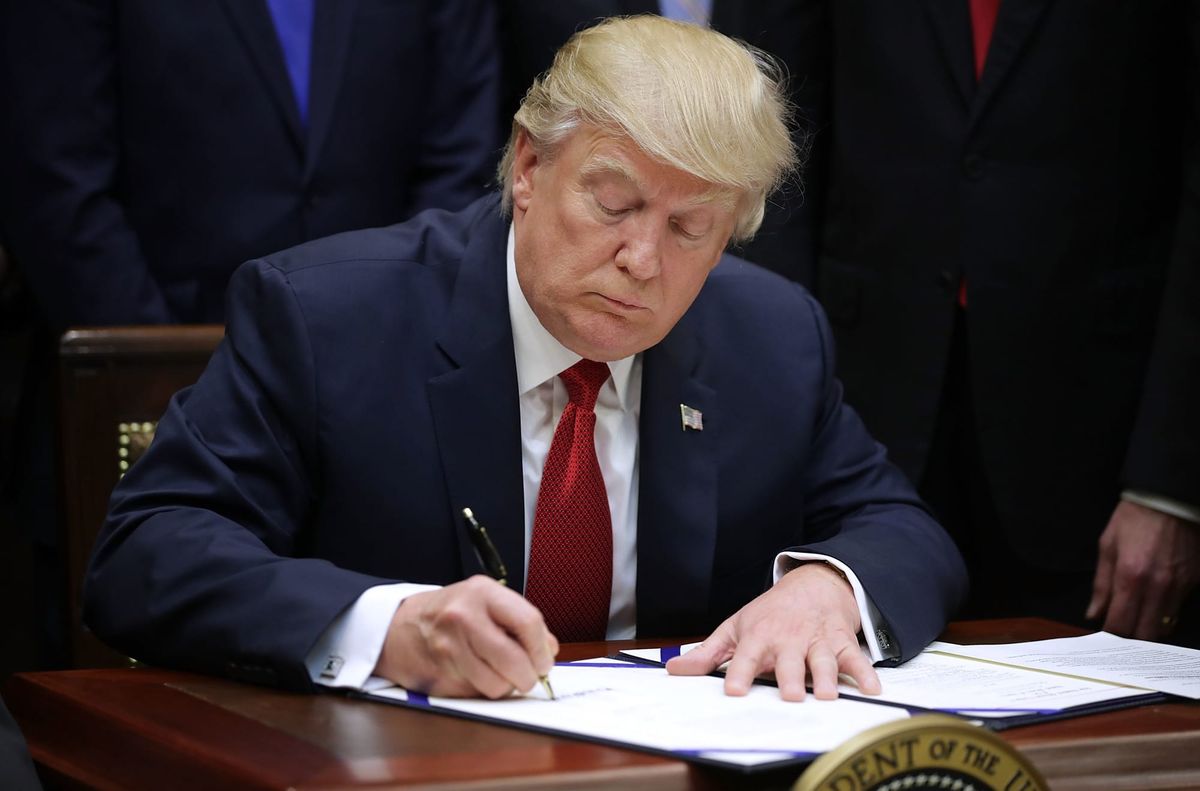
The executive order President Trump signed this month was careful about one thing above all. After weeks of negotiation with the AI industry, its drafters inserted language stating that nothing in the framework should be construed as a governmental licensing or preclearance requirement. The order created a system under which companies could show the government their frontier models up to thirty days before release, and the word "voluntary" was made to carry a great deal of weight. Three weeks later, the government is approving OpenAI's customers one at a time.
On Thursday Sam Altman, OpenAI's chief executive, told staff in a memo that the company would release GPT-5.6, its newest frontier model, in stages: a limited preview to a handful of partners, with officials "approving access customer by customer during this preview period," then a wider launch perhaps two weeks later. Altman presented the arrangement as the fastest available road to shipping and made plain it was not the one OpenAI would have chosen, telling staff the company had informed Washington this was "not our preferred long term model." The request to stagger had come from two agencies, the Office of the National Cyber Director and the Office of Science and Technology Policy. Then Howard Lutnick, the commerce secretary, telephoned to caution against launching without approvals from others.
This article is for Vector members. Start a 7-day free trial to keep reading.
Start your free trial