X-energy trades ratepayers for royalties
The largest nuclear IPO on record went to the one reactor company that refuses to operate one
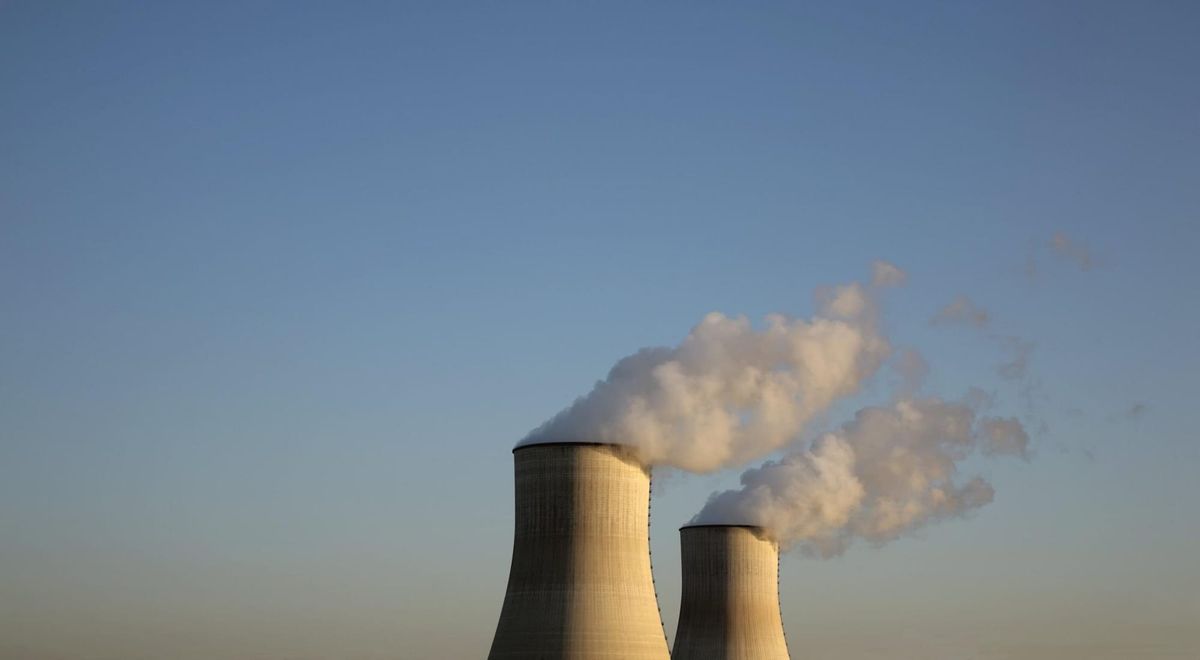
THE LARGEST nuclear public offering in American history priced on Thursday night. X-energy, a reactor developer backed by Amazon, Dow, Jane Street, Ken Griffin and the Department of Energy, raised just over $1bn in an offering that was fifteen times oversubscribed and closed its first day of trading up 27%. The company has yet to begin construction on a single one of its reactors, and it has no plans to do so. It will license the designs to others and supply the fuel.
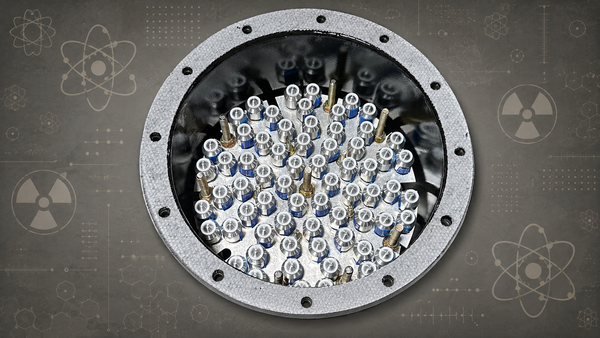
X-energy's Xe-100 is a high-temperature gas-cooled reactor, an 80-megawatt unit that bundles into a 320-megawatt plant and produces both electricity and industrial-grade heat. The company has a pipeline of more than 11 gigawatts across 144 reactors — a 5-gigawatt option from Amazon running to 2039, a four-unit plant with Dow at Seadrift in Texas, and a 6-gigawatt non-binding commitment from the British utility Centrica. It has raised roughly $1.4bn in private markets, including a $700m Series D in November. It has, as of this week, no operating plants, no construction underway, and no permit yet granted to build one. The first reactor is scheduled to come online in the early 2030s.
Its business resembles Arm Holdings more than any American utility. Revenue will come from four sources: design-licensing fees, project-support services, long-term operational contracts, and sales of TRISO fuel pebbles from the company's new fabrication plant in Oak Ridge, Tennessee — a fuel the Department of Energy has called the most robust in the world. The ownership, construction and operation of the plants themselves will fall to customers. Amazon builds, Dow builds, Centrica builds; X-energy collects rents on the blueprints and on every kilogram of pebble loaded into the core.
Pebbles and patents

But the reason this model is viable at all, and the reason X-energy could go public where a Westinghouse of the 1970s could not, has less to do with nuclear engineering than with who is doing the buying. For nearly sixty years, American reactors were bought by regulated utilities and financed through the rate base. The arrangement produced reactors that were always custom, always late, and always over budget, because the buyer was a local monopoly with no competitive pressure to standardize and no ability to walk from a half-finished project. Every plant was a new plant.
This article is for Vector members. Start a 7-day free trial to keep reading.
Start your free trial