Arm is becoming the chipmaker it never wanted to be
The most profitable business model in semiconductors just got a lot more capital-intensive
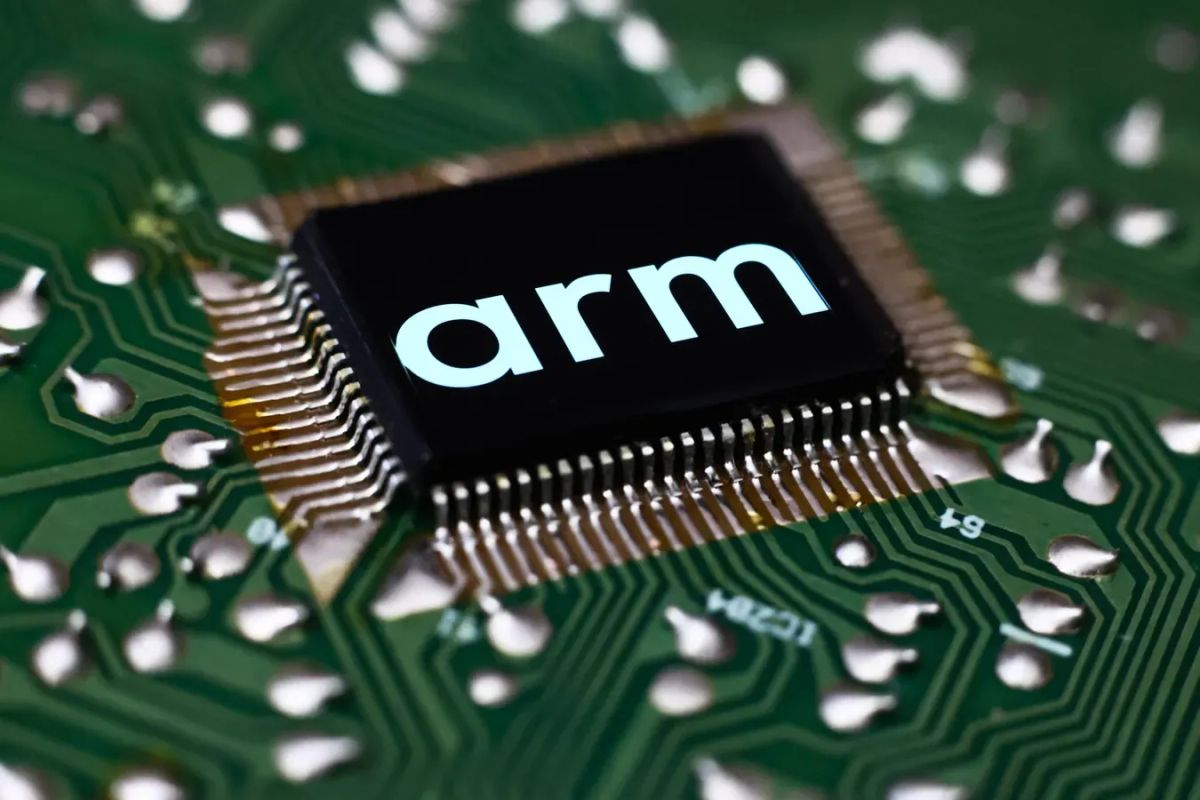
ARM HOLDINGS HAS spent 35 years perfecting one of the most lucrative business models in technology: designing processors, licensing the blueprints, and collecting royalties on every chip made with its architecture. More than 350 billion such chips have shipped — inside iPhones, Nvidia servers, Amazon data centers, Tesla robots, and roughly everything else with a transistor. The model has produced gross margins of 98%, a figure that would make a SaaS executive weep with envy. On Tuesday in San Francisco, CEO Rene Haas held up a piece of silicon and announced, in effect, that the old model is no longer enough. Arm is now a chipmaker.
The new product is called the Arm AGI CPU — a nod to artificial general intelligence that is more aspirational branding than technical descriptor. Built on TSMC's 3-nanometer process with up to 136 Neoverse V3 cores, it is designed to orchestrate fleets of AI agents in hyperscale data centers: the autonomous software programs that book flights, write code, and manage infrastructure with minimal human oversight. Meta is the lead partner and co-development customer. OpenAI, Cloudflare, SAP, Cerebras, and SK Telecom have also committed to buying it. Haas projected the chip would generate $15 billion in annual revenue by 2031, lifting total company revenue to $25 billion and earnings per share to $9 — roughly six times the $4 billion Arm brought in last fiscal year. The stock popped 6% in after-hours trading. Creative Strategies forecasts the data center CPU market will grow from $25 billion this year to $60 billion by 2030; factor in CPUs purpose-built for agentic AI and that estimate approaches $100 billion.
The pitch, in short, is that agentic AI is about to create a new category of compute demand so large that even a fraction of it would transform Arm's revenue profile. Haas predicted a fourfold increase in CPU demand from agentic workloads alone, then added — with the kind of understatement that doubles as salesmanship — that the company may be under-calling that number.
This article is for Vector members. Start a 7-day free trial to keep reading.
Start your free trial