Intel's comeback is being crowdsourced
Lip-Bu Tan has stabilized Intel by collecting strategic backers, the hard part is getting customers
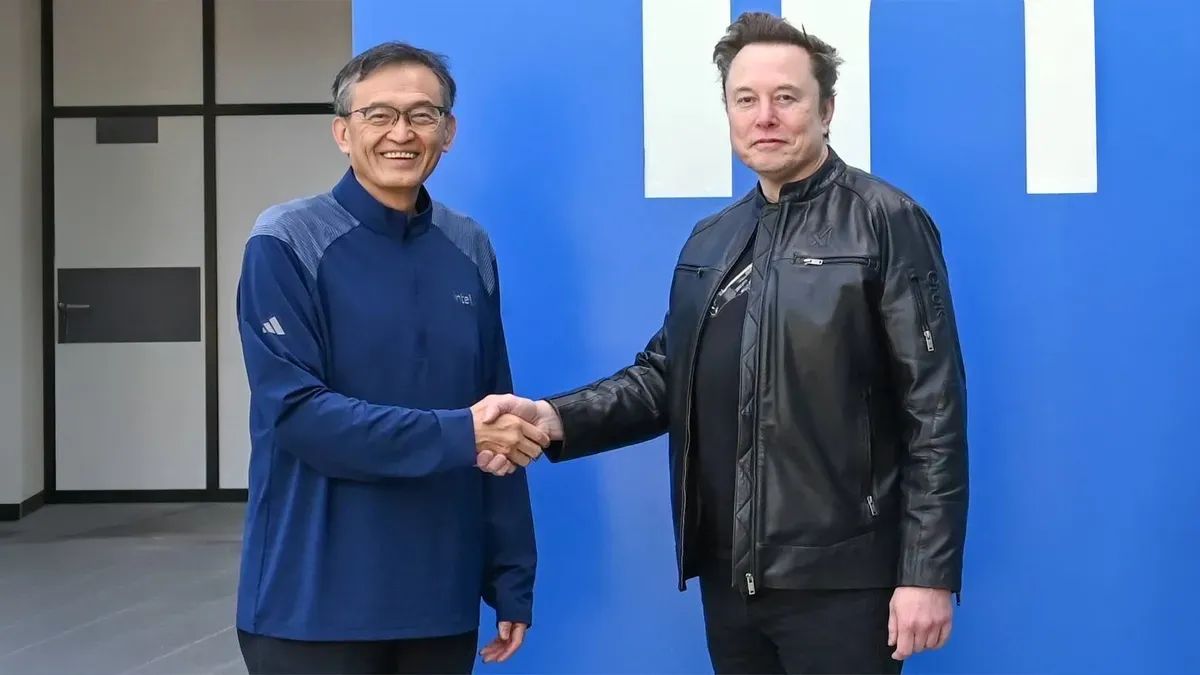
IN THE SPACE of twelve months, Intel has acquired a remarkable new shareholder register: the United States government, Nvidia, SoftBank, and — as of Tuesday — Elon Musk, by way of a partnership rather than an equity stake. The chipmaker's announcement that it would help "refactor" a fab for Musk's Terafab project sent its shares up 4.2% to $52.91. It also completed a pattern that has quietly become the defining feature of Lip-Bu Tan's tenure: Intel's turnaround is no longer being engineered from within. It is being assembled, partner by partner, from without.
Tan took the helm last March inheriting a company that had spent the better part of a decade losing its technological edge to Taiwan Semiconductor Manufacturing Company and its market capitalization to almost everyone else. His first year was an exercise in financial triage — job cuts, cost discipline, and the unsentimental work of stabilizing a balance sheet. But the more consequential moves have been the inbound ones. Washington took an equity position as part of its CHIPS Act ambitions. Nvidia, the company whose ascent most directly humiliated Intel, invested anyway. SoftBank followed. Last week Intel paid $14.2 billion to buy back half of an Irish fab it had previously sold to Apollo Global Management, a transaction the market read as a vote of self-confidence. Tuesday's Musk partnership added the final character to the ensemble cast.
Strange bedfellows, federal sheets

Yet the pattern is stranger than the individual deals suggest. Each of Intel's new patrons has a strategic motive that has little to do with believing Intel will out-engineer TSMC on the next process node. Washington needs a domestic leading-edge fab for national-security reasons that would exist even if Intel were a worse company. Nvidia needs a credible non-Taiwanese supplier as a hedge against a Strait crisis. SoftBank needs Intel's foundry to have a future because Arm, which it controls, needs customers. Musk needs process knowledge his own companies cannot manufacture from scratch. None of these parties is a foundry customer in the conventional sense — none is signing a long-term wafer-supply agreement at competitive prices because Intel's technology is best in class.
This article is for Vector members. Start a 7-day free trial to keep reading.
Start your free trial