Is hardware eating the world?
a16z raised $1.1bn for hardware, roughly one percent of its assets, fifteen years after declaring software the future

It takes a certain nerve to name a fund after an epoch. Andreessen Horowitz, never troubled by a shortage of it, raised $1.1 billion this month for a vehicle it calls the Machine Age fund. The grandeur does not survive contact with the arithmetic. Against the more than $100 billion the firm manages, $1.1 billion comes to about one percent — an epoch's name pinned to a sliver of a16z's capital.
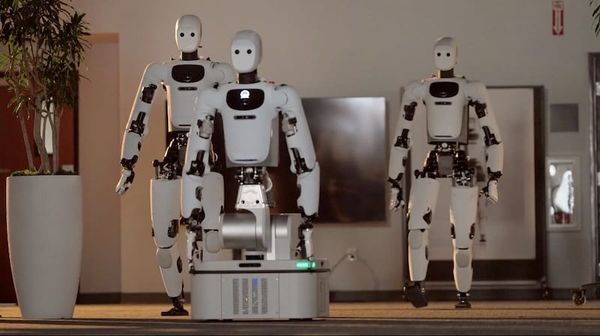
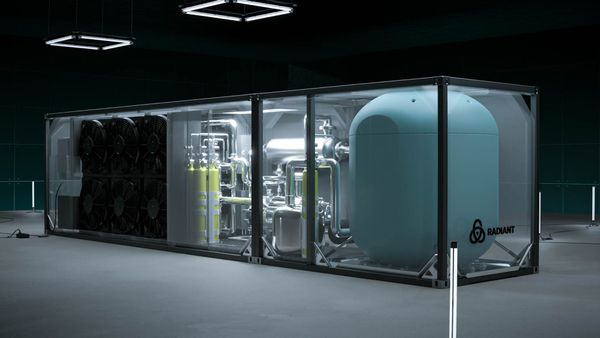
Consider the source of the branding. In 2011 Marc Andreessen, the firm's co-founder, wrote the essay that would govern a decade and a half of technology investing: software, he argued, was eating the world, and the money belonged in code — capital-light, gross-margin-rich, scalable without limit. The Machine Age fund faces the other way. It points at the unglamorous layer beneath the models — the chips and memory and networking gear, the storage arrays, the robots learning to pick their way across a warehouse floor — the atoms, in other words, that Andreessen made his name urging the industry to rise above.
This article is for Vector members. Start a 7-day free trial to keep reading.
Start your free trial